Metro
Manufacturing Consulting in Pittsburgh, PA
U.S. Steel. Carpenter Technology. ATI specialty alloys. Kennametal. The deepest specialty steel and metals manufacturing base in the country.
Pittsburgh is what the country forgets about when it talks about American manufacturing decline. U.S. Steel, Carpenter Technology, ATI's specialty alloys, and Kennametal still ship product no other regional cluster ships. The plants are old, the operators are deeply tenured, and the metallurgical knowledge is concentrated in people who learned the trade from people who learned it from people. Brass & Bench engagements in Pittsburgh are usually about modernizing the operation, succession planning for the senior workforce, or preparing the cluster for the regional consolidation cycle.
Quick answer
Pittsburgh is the historic and current center of American specialty steel and metals manufacturing. U.S. Steel maintains corporate headquarters and multiple regional plants. Carpenter Technology (Reading-based but regionally active), Allegheny Technologies / ATI, Kennametal (Latrobe), and Howmet Aerospace all anchor a deep specialty metals manufacturing cluster. The Pittsburgh metro also hosts Westinghouse Electric (nuclear power components, Cranberry Township), PPG Industries (glass and coatings), and a substantial industrial automation and robotics base (Carnegie Mellon University-anchored). Brass & Bench engagements in Pittsburgh typically center on specialty metals and steel manufacturer operational rigor, aerospace and defense alloy supplier program reviews, Acquisition Readiness for owners of specialty metals or engineered materials companies, and Conformance Reality Checks ahead of AS9100, NADCAP, or nuclear (NQA-1) customer audits.
 By Mike Fox · Founding Partner. Business Development & Operations · Updated May 14, 2026
The manufacturing identity
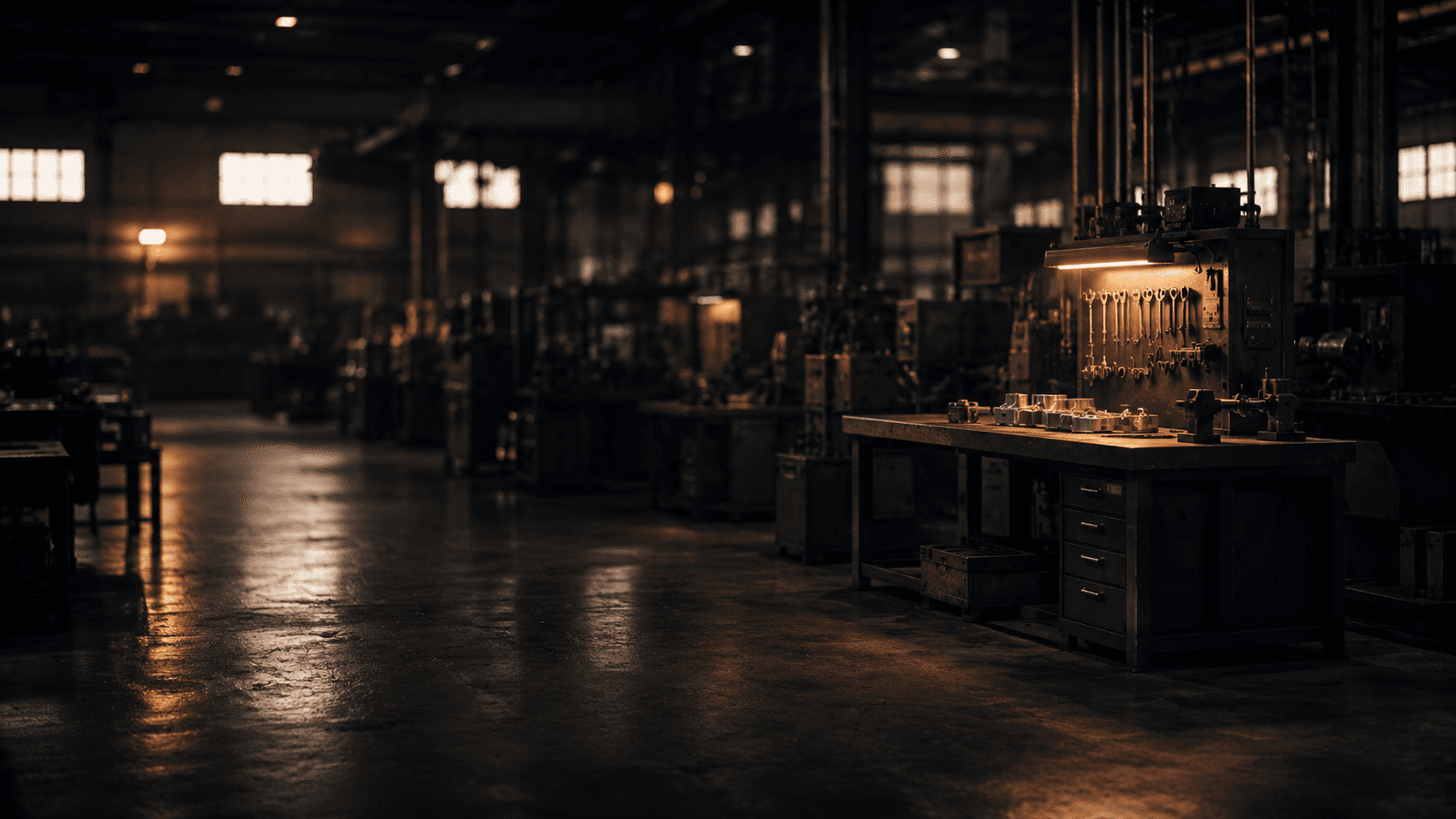
Manufacturing in Pittsburgh, PA.
Pittsburgh extends across Allegheny County and surrounding counties, with manufacturing concentrated along the Monongahela, Allegheny, and Ohio River valleys. The specialty steel and metals manufacturing cluster has consolidated substantially over the past forty years (peak steel employment was in the 1970s) but remains the deepest concentration of specialty alloy, tool steel, and engineered material manufacturing in the United States. Howmet Aerospace operates aerospace-grade investment casting and forging operations across multiple regional sites.
The regional supply chain extends across western Pennsylvania, northern West Virginia, and eastern Ohio. Forging, heat treatment, machining, and surface finishing capacity is among the deepest in the country, particularly in specialty alloy and aerospace-grade material categories. The labor pool draws from across western Pennsylvania, with multi-generational skilled-trades depth in steel, machining, and metals manufacturing.
Pennsylvania regulatory environment is moderate. PADEP environmental permitting for steel and metals operations is complex but workable. Pennsylvania has a long-standing partnership with the federal defense industrial base and the nuclear power industry.
How we work here
How we approach Pittsburgh, PA.
The team flies into Pittsburgh International (PIT) for primary access. Hotel base in Pittsburgh is typically the Westin Pittsburgh, Omni William Penn, or the Marriott Pittsburgh City Center. For Latrobe and eastern Allegheny County corridor work (Kennametal), properties along Route 30 toward Greensburg are convenient. Ground transport is straightforward.
The kind of work we do in Pittsburgh tends to fall into four patterns: specialty metals and steel manufacturer operational rigor, aerospace and defense alloy supplier program reviews, Acquisition Readiness for owners of specialty metals or engineered materials companies, and Conformance Reality Checks ahead of AS9100, NADCAP, or nuclear (NQA-1) customer audits.
Common patterns
What manufacturers in Pittsburgh, PA usually need.
- Specialty metals demand cycle complexity. Aerospace alloy demand, defense program funding cycles, nuclear power capital project timing, and oilfield equipment demand all create overlapping cycle pressure for specialty metals manufacturers.
- Energy cost exposure. Steel and specialty metals operations are energy-intensive. Western Pennsylvania natural gas pricing has been favorable but is exposed to broader energy market volatility.
- Aging workforce and skilled-trade replacement. Western Pennsylvania steel and metals workforce skews older than the national manufacturing average. Replacement pipeline through Community College of Allegheny County and the broader regional technical school network is solid but limited.
- NADCAP and customer audit cadence for aerospace metals suppliers. Aerospace alloy customer audit calendars are among the most rigorous in the U.S. industrial base.
- Nuclear power supplier qualification (NQA-1, 10 CFR 50 Appendix B). Westinghouse and broader nuclear supplier base operations face unique regulatory and quality system requirements.
- Workers' compensation classification accuracy in steel and metals operations where job codes have drifted as the work has evolved.
Logistics
Travel + logistics for an onsite engagement.
Airports. Pittsburgh International (PIT) for primary access. Cleveland Hopkins (CLE) when northeast Ohio corridor access is preferred (2-hour drive west). Akron-Canton (CAK) when southern Ohio access is preferred (2-hour drive west).
Hotel base. Westin Pittsburgh, Omni William Penn, Marriott Pittsburgh City Center, or properties along Route 22 toward Monroeville. For eastern Allegheny County and Latrobe corridor work, properties along Route 30 are convenient.
Ground. Greater Pittsburgh manufacturing corridor (Pittsburgh, Monroeville, Greensburg, Latrobe) is 90-minute drive end to end. Rental car at PIT. Light rail and bus transit are operationally irrelevant for an engagement.
Best windows for an onsite. Avoid mid-December through early March for winter weather. June through August has occasional severe-weather disruption. April through May and September through November are the cleanest engagement windows.
Manufacturers in Pittsburgh, PA.
- U.S. Steel (Pittsburgh HQ, multiple regional plants)
- Carpenter Technology (Reading HQ, broader Pittsburgh-area operations)
- Allegheny Technologies / ATI (Pittsburgh, specialty alloys)
- Kennametal (Latrobe, cutting tools and engineered materials)
- Howmet Aerospace (Pittsburgh corporate, multiple regional plants)
- PPG Industries (Pittsburgh HQ, glass and coatings)
- Eaton Corporation (Pittsburgh-area operations)
- Westinghouse Electric (Cranberry Township, nuclear power)
Frequently asked
How long does an onsite engagement in Pittsburgh typically take?
The signature Two-Week Onsite engagement is ten working days on the floor for the assessment and design phases, with handoff on day ten. The team flies in on Sunday or Monday for the Monday start.
Do you work directly with U.S. Steel, ATI, Kennametal, or Howmet?
We work with both major manufacturers and mid-market suppliers in the regional supply chain. Specific client work is confidential unless ownership chooses to reference it publicly. The first conversation is always confidential and exploratory.
What state regulations should a Pittsburgh manufacturer be aware of?
Pennsylvania has a moderate regulatory environment. PADEP environmental permitting for steel and metals operations is complex but workable. Pennsylvania has long-standing partnerships with the federal defense industrial base and the nuclear power industry.
How do you handle ITAR-controlled work in Pittsburgh?
The full team carries the appropriate clearances for handling ITAR-controlled information. Lorrie holds direct ITAR program-build experience and leads any portion of an engagement that touches controlled technical data or controlled products.
How do you handle AS9100, NADCAP, and nuclear (NQA-1) audit preparation for Pittsburgh metals suppliers?
The Conformance Reality Check engagement is built specifically for this work. Aerospace alloy customer audits and nuclear supplier qualification work are routine engagement scope given the depth of Pittsburgh's specialty metals manufacturing base.
What is the typical engagement structure for an acquisition-readiness conversation with a Pittsburgh metals manufacturer?
The Two-Week Onsite engagement is almost always the first phase of an acquisition readiness path. For specialty metals companies, the engagement structure typically includes a customer concentration analysis and a buyer-universe review alongside the standard operational assessment.
How does the regional labor cost compare to other specialty metals manufacturing hubs?
Greater Pittsburgh wages are competitive against other specialty metals hubs (Reading PA, Latrobe area, Carpenter Technology core operations). Lower than Northeast metropolitan hubs, higher than southeastern hubs. The differentiator in Pittsburgh is the depth of operator-level skill in specialty alloy, aerospace-grade forging, and nuclear-grade material manufacturing, which is genuinely scarce nationally.