
Metro
Manufacturing Consulting in Raleigh-Durham
Research Triangle. BioMarin. Grifols. The medical device, biotechnology, and life sciences manufacturing cluster anchored by Duke, UNC, and NC State.
The Research Triangle is the medical-device and biotechnology manufacturing cluster anchored by Duke, UNC, and NC State. The operations here are R&D-adjacent, the engineering talent is exceptional, and the regulatory posture (FDA, ISO 13485, 21 CFR 820) is the dominant operational reality. Brass & Bench engagements in Raleigh-Durham are usually about scaling clinical-grade operations to commercial volume, navigating the regulatory transitions a maturing product line goes through, or operationalizing the kind of quality-system rigor the FDA inspections expect.
Quick answer
Raleigh-Durham and the surrounding Research Triangle is one of the largest medical device, biotechnology, and life sciences manufacturing clusters in the United States. The metro hosts Grifols (Clayton plasma fractionation, one of the largest such plants in the world), BioMarin Pharmaceutical (Raleigh gene therapy manufacturing), FUJIFILM Diosynth Biotechnologies (Holly Springs biopharmaceutical CDMO), Eli Lilly (Concord and RTP operations), Becton Dickinson (RTP medical device), and dozens of additional biotechnology and pharmaceutical manufacturers. The Duke, UNC Chapel Hill, and NC State R&D-to-manufacturing pipeline is one of the deepest in the country. Brass & Bench engagements in Raleigh-Durham typically center on medical device and biopharmaceutical manufacturer operational rigor and 21 CFR 820 / 21 CFR 210-211 conformance, Acquisition Readiness for venture-backed companies preparing for strategic sale, and Conformance Reality Checks ahead of FDA, ISO 13485, or customer audits.
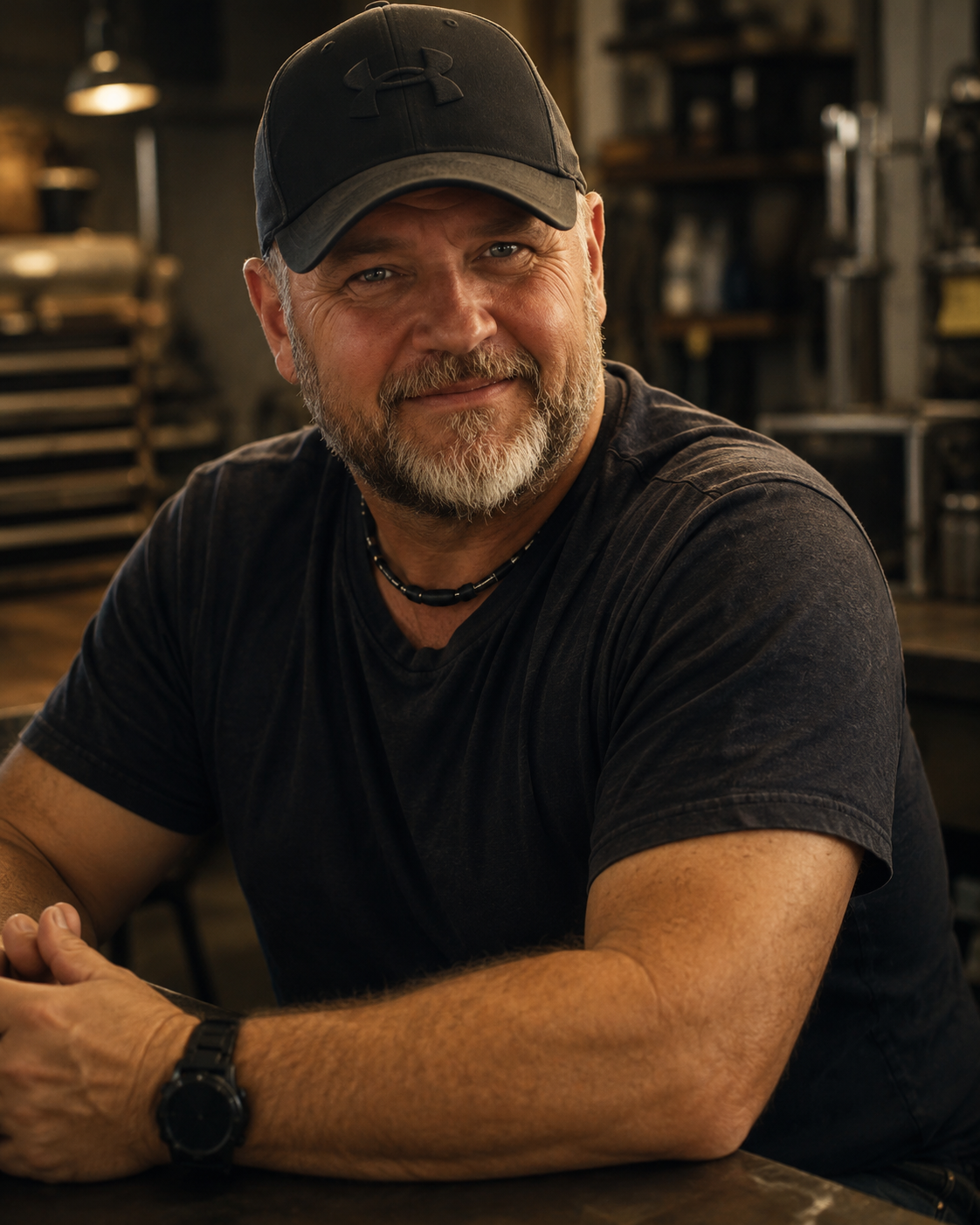 By Mike Fox · Founding Partner. Business Development & Operations · Updated May 14, 2026
The manufacturing identity
Manufacturing in Raleigh-Durham, NC.
Raleigh-Durham extends across Wake County (Raleigh), Durham County (Durham), and surrounding counties (Orange, Chatham, Johnston, Wake). The Research Triangle Park itself sits between Raleigh, Durham, and Chapel Hill, and is one of the largest research and manufacturing parks in the country. The medical device, biotechnology, and life sciences manufacturing footprint is concentrated in RTP, Holly Springs, Clayton, Morrisville, and the surrounding industrial corridors.
The regional supply chain extends across the eastern North Carolina industrial corridor and into eastern Virginia. Precision manufacturing for medical device assembly, biopharmaceutical fill-and-finish, plasma fractionation, and gene therapy manufacturing capacity is among the deepest in the country. The labor pool draws from across the Research Triangle and from the broader North Carolina community college and university system.
North Carolina regulatory environment is among the most favorable in the country for manufacturers. NCDEQ environmental permitting is workable. North Carolina Department of Commerce runs aggressive incentive programs for major manufacturing projects, particularly biotechnology and life sciences.
How we work here
How we approach Raleigh-Durham, NC.
The team flies into Raleigh-Durham International (RDU) for primary access. Hotel base is typically the AC Hotel Raleigh North Hills, the Marriott Raleigh City Center, the Sheraton Imperial Hotel RTP, or properties at the Brier Creek and RTP corridors. Ground transport is straightforward.
The kind of work we do in Raleigh-Durham tends to fall into four patterns: medical device manufacturer operational rigor and 21 CFR 820 conformance reviews, biopharmaceutical and gene therapy manufacturer operational rigor and 21 CFR 210-211 conformance reviews, Acquisition Readiness for venture-backed companies preparing for strategic sale, and Conformance Reality Checks ahead of FDA, ISO 13485, or customer audits.
Common patterns
What manufacturers in Raleigh-Durham, NC usually need.
- FDA 21 CFR 820 (medical device) and 21 CFR 210-211 (pharmaceutical) conformance. Research Triangle medical device and biopharmaceutical manufacturers face continuous FDA quality system requirements. The QSR-to-ISO 13485 convergence and broader CGMP modernization are ongoing pressure.
- Sterile manufacturing and aseptic processing complexity. Biopharmaceutical and gene therapy manufacturers face the most demanding sterile manufacturing requirements in the U.S. industrial base.
- Talent retention against Boston, southern California, and Bay Area pull. The Research Triangle competes for medical device and biopharmaceutical engineering, regulatory, and quality talent against the largest U.S. life sciences hubs.
- Venture-backed company operational maturity. Many Triangle biotech and medical device companies move from R&D to commercial-scale manufacturing in compressed timelines, with operational rigor maturity lagging product commercialization.
- Cold-chain and clinical-supply logistics. Gene therapy, cell therapy, and biopharmaceutical operations face complex cold-chain and clinical-supply logistics that are operationally non-trivial.
- Workers' compensation classification accuracy in operations where job codes have drifted as the work has evolved.
Logistics
Travel + logistics for an onsite engagement.
Airports. Raleigh-Durham International (RDU) for primary access. Piedmont Triad International (GSO) when central or western North Carolina access is also needed (90-minute drive west).
Hotel base. AC Hotel Raleigh North Hills, Marriott Raleigh City Center, Sheraton Imperial RTP, or properties along the I-40 corridor through RTP. Selection depends on the specific corridor (Raleigh, Durham, RTP, or southern Wake County).
Ground. Greater Raleigh-Durham manufacturing corridor (Raleigh, Durham, RTP, Holly Springs, Clayton, Morrisville) is 90-minute drive end to end. Rental car at RDU. GoRaleigh and other transit are operationally irrelevant for an engagement.
Best windows for an onsite. Avoid late June through early September for severe heat and humidity. Late December through January has occasional winter weather disruption. April through May and September through November are the cleanest engagement windows.
Manufacturers in Raleigh-Durham, NC.
- Grifols (Clayton, plasma fractionation, one of the largest plants in the world)
- BioMarin Pharmaceutical (Raleigh, gene therapy manufacturing)
- FUJIFILM Diosynth Biotechnologies (Holly Springs, biopharmaceutical CDMO)
- Eli Lilly (Concord and Research Triangle Park operations)
- Becton, Dickinson and Company (Research Triangle Park)
- Cisco Systems (RTP, networking hardware)
- IBM Research Triangle (RTP)
- Lenovo (Morrisville, U.S. operations)
Frequently asked
How long does an onsite engagement in Raleigh-Durham typically take?
The signature Two-Week Onsite engagement is ten working days on the floor for the assessment and design phases, with handoff on day ten. The team flies in on Sunday or Monday for the Monday start.
Do you work directly with Grifols, BioMarin, Eli Lilly, or Becton Dickinson?
We work with both major manufacturers and mid-market suppliers in the regional supply chain. Specific client work is confidential unless ownership chooses to reference it publicly. The first conversation is always confidential and exploratory.
How do you handle 21 CFR 820 and 21 CFR 210-211 conformance for Research Triangle medical device and biopharmaceutical manufacturers?
The Conformance Reality Check engagement is built specifically for FDA-regulated quality system reviews. Research Triangle medical device and biopharmaceutical manufacturers are among the most rigorous in the country, and our engagement structure reflects that.
What state regulations should a Raleigh-Durham manufacturer be aware of?
North Carolina has one of the most favorable regulatory environments in the country for manufacturers. NC OSHA operates a state-plan OSHA program. NCDEQ environmental permitting is workable. Right-to-work state. Aggressive economic development apparatus, particularly for biotechnology and life sciences.
How do you handle sterile manufacturing and aseptic processing reviews?
The Conformance Reality Check engagement is built for this work. Sterile manufacturing, aseptic processing, environmental monitoring, and cleanroom qualification reviews are routine engagement scope for biopharmaceutical and gene therapy operations.
What is the typical engagement structure for an acquisition-readiness conversation with a venture-backed Triangle biotech?
The Two-Week Onsite engagement is almost always the first phase of an acquisition readiness path. For venture-backed companies preparing for strategic sale, the engagement structure typically includes a regulatory-readiness component, a clinical-evidence review, and early conversations with strategic buyers alongside the standard operational assessment.
How does the regional labor cost compare to other medical device and biopharmaceutical hubs?
Greater Raleigh-Durham wages are competitive against other major U.S. life sciences hubs (Greater Boston, southern California, Bay Area). Lower than Boston and Bay Area for equivalent regulatory and engineering talent, higher than rural Southeast hubs. The differentiator in Raleigh-Durham is the combined depth of FDA-regulated manufacturing capacity, the Research Triangle R&D-to-manufacturing pipeline, and the cost-of-living advantage against Boston and the Bay Area.