
State
North Carolina: aerospace, firearms, and the South's deepest precision manufacturing labor pool.
Sturm Ruger in Mayodan. Honda Aircraft in Greensboro. Spirit AeroSystems in Kinston. The Research Triangle medical device cluster. A regulatory environment built for firearms manufacturers.
North Carolina is the Southeast's quiet manufacturing depth. Sturm Ruger picked Mayodan because the state delivers regulatory consistency, labor availability, and the kind of community-business relationship a multi-decade plant needs. Honda Aircraft, Spirit AeroSystems, and the Research Triangle medical-device cluster fill out the rest of the picture. Brass & Bench engagements in North Carolina are usually about southeastern relocations, multi-site coordination, or the M&A readiness work that comes with the regional consolidation cycle currently underway.
Quick answer
North Carolina has become one of the leading destinations for firearms manufacturing in the United States, with Sturm Ruger operating a major facility in Mayodan and additional industry presence growing across the state. The state also hosts Honda Aircraft Company in Greensboro (HondaJet production), Spirit AeroSystems in Kinston (A350 composite fuselage), GE Aviation in Asheville (military engine components), and the Research Triangle medical device cluster. North Carolina's regulatory environment is favorable for firearms and ammunition manufacturers, the labor pool is one of the deepest in the South, and the North Carolina Department of Commerce runs aggressive incentive programs. Brass & Bench engagements in North Carolina typically center on firearms manufacturer operational rigor and capacity expansion, aerospace Tier 1 program reviews, and Greenfield Plant Standups for manufacturers relocating from less favorable regulatory environments.
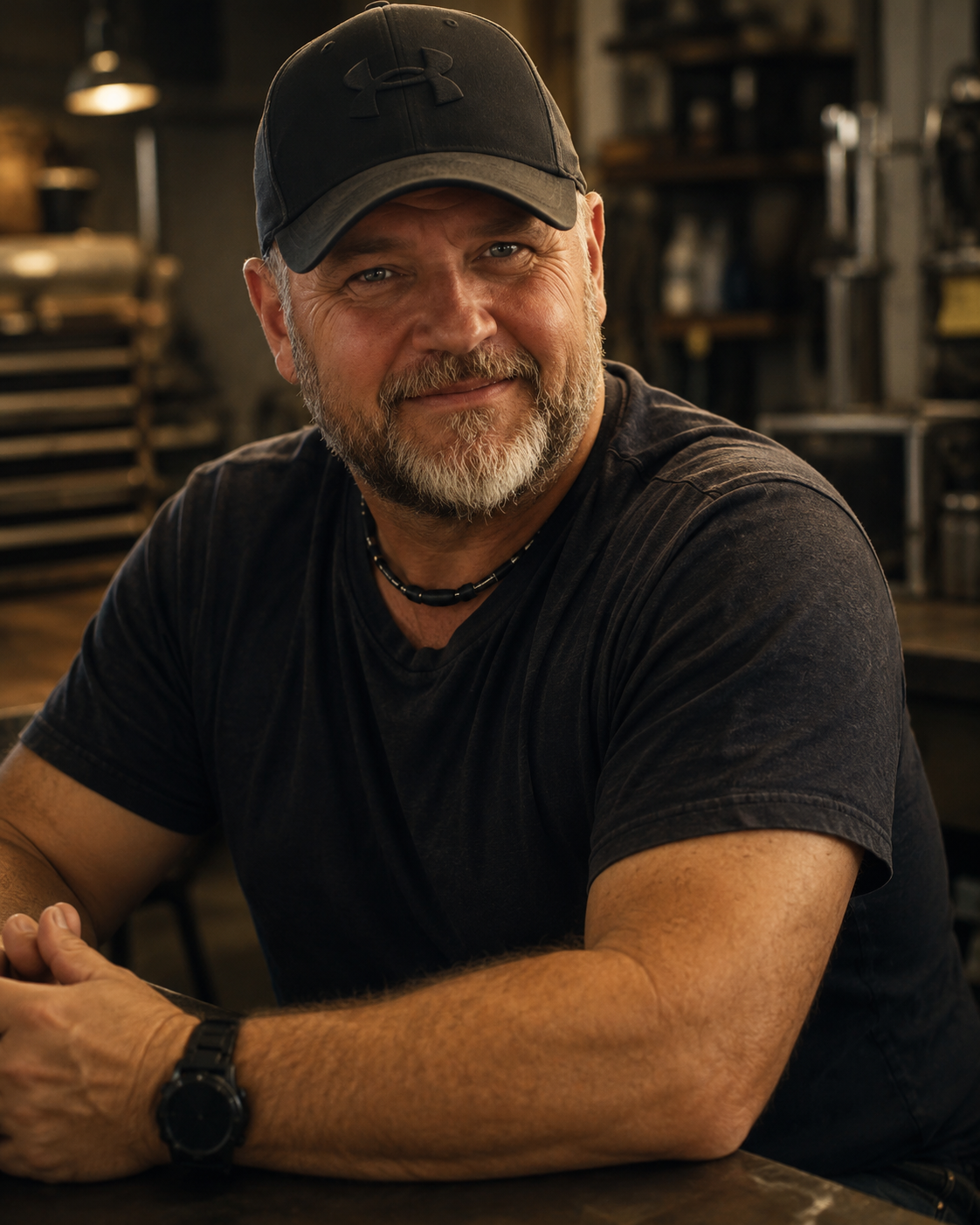 By Mike Fox · Founding Partner. Business Development & Operations · Updated May 14, 2026
State regulations
State regulations that affect manufacturers in North Carolina.
North Carolina has a favorable regulatory environment for firearms and ammunition manufacturers. State preemption applies to firearms regulation, restricting local jurisdictions from layering additional restrictions. North Carolina has not enacted manufacturing or component restrictions of the kind seen in California, New York, Massachusetts, or Connecticut. The state requires a pistol purchase permit for handgun transfers, which is administrative at the manufacturer level and does not affect manufacturing licensure or operations.
Federal ATF, ITAR, and EAR requirements apply in full regardless of state environment. North Carolina has no special state-level firearms manufacturing licensure beyond federal FFL requirements.
Incentives
State incentive programs for manufacturers.
- Job Development Investment Grant (JDIG). State performance-based cash grant for qualifying projects creating jobs at competitive wages
- One North Carolina Fund. Discretionary state cash grants matched by local jurisdictions for major projects
- Building Reuse Program. State grants for renovating vacant industrial buildings, particularly in rural counties
- Job Maintenance and Capital Development Fund (JMAC). Targeted at large manufacturers maintaining significant workforce
- NCWorks Customized Training. State-funded customized training delivered through community colleges
- Foreign Trade Zones. FTZ #57 (Charlotte), FTZ #66 (Wilmington), FTZ #67 (Morehead City), FTZ #93 (Raleigh-Durham)
- Rural Economic Development Division programs. Targeted at non-metro counties
Major manufacturers operating in North Carolina.
- Sturm, Ruger & Co. (Mayodan, polymer and rifle production)
- RemArms (Huntsville expansion, Ilion legacy)
- Honda Aircraft Company (Greensboro, HondaJet)
- Spirit AeroSystems (Kinston, A350 composite fuselage)
- Cherokee Manufacturing / Charlotte-area firearms suppliers
- Lockheed Martin (Charlotte and Asheville-area operations)
- Smith+Nephew (Memphis HQ but Charlotte and Triad operations)
- GE Aviation (Asheville)
Workforce
The labor reality.
BLS data places North Carolina manufacturing employment near four hundred eighty thousand workers, top ten nationally. North Carolina community college system (58 colleges) is one of the largest in the country and runs strong manufacturing programs in machining, welding, electronics, and biotechnology. The labor pool is younger than the national manufacturing average, with strong replacement pipeline through the community college system. The state has been the leading destination for manufacturing relocation from California, New York, and the Northeast for the past decade alongside Texas, Tennessee, and Florida.
OSHA + environmental
OSHA and environmental posture.
North Carolina operates a state-plan OSHA program (NC OSHA) that covers all private sector employers. NC OSHA generally mirrors federal OSHA but has some state-specific standards. State environmental quality administered by NCDEQ (Department of Environmental Quality). Air quality permits required for sources above federal thresholds; NCDEQ has additional state-specific opacity and particulate requirements. Lead exposure rules per 29 CFR 1910.1025 apply directly to ammunition manufacturers.
International + FMS
Foreign Military Sales + export logistics.
North Carolina-based defense and aerospace manufacturers carry growing FMS and DCS activity, particularly through Honda Aircraft international sales (HondaJet civilian) and Tier 1 aerospace supplier shipments to Boeing and Airbus programs. Firearms manufacturers in North Carolina have significant international commercial sales opportunity. ITAR-registered freight forwarders and export compliance specialists are concentrated in Charlotte and Raleigh-Durham. The Economic Development Partnership of North Carolina runs international trade offices providing market-entry support.
How we work in North Carolina
Brass & Bench engagements in North Carolina.
North Carolina engagements typically route through Charlotte Douglas International (CLT) for southwestern North Carolina work, Raleigh-Durham International (RDU) for Research Triangle and central North Carolina, Piedmont Triad International (GSO) for Greensboro and Mayodan work, and Asheville Regional (AVL) for western North Carolina. Hotel base depends on the specific metro. The team has direct experience with firearms manufacturing operations, aerospace assembly, and medical device manufacturing.
The kind of work we do in North Carolina falls into three patterns: operational rebuilds and capacity expansion for firearms manufacturers and aerospace Tier 1 suppliers; acquisition readiness for owners of specialty manufacturing or component companies considering a transaction; and Greenfield Plant Standups for manufacturers relocating from less favorable regulatory or cost environments.